Worried about termites in Toronto? We offer quick, subtle detection of mud tubes, hollow wood, frass, and swarm wings, with detailed entry point and moisture evaluations customized for local freeze-thaw cycles and landscaping conditions. We carry out methodical inspections, documented evidence with photos, and specialized solutions adhering to municipal regulations. We implement family-friendly treatment methods, contained drilling processes, and discrete vehicles to maintain privacy. We provide ongoing surveillance, proper sealing, and dampness prevention to reduce threats and meet safety standards - learn how we protect your property now.
Essential Points
- Comprehensive termite inspections of structural foundations, crawl spaces, utility entry points, and moisture-susceptible zones, including visual documentation and comprehensive site diagrams.
- Targeted solutions include specialized methods such as underground bait stations, targeted termiticide applications to soil and voids, and meticulous wood applications in accordance with Canadian label guidelines.
- Preventive maintenance and inspection protocols: fix and seal structural gaps, keep 6-8 inches foundation-to-wood distance, control moisture content, and set up periodic seasonal checks with GPS-tagged inspection points.
- Discreet and secure solutions for residential and commercial properties: offering plain vehicles, convenient appointment times, family-friendly installations, HEPA-contained drilling, and adherence to local regulations.
- Comprehensive documentation supplied including product information, chain-of-custody records, safety data sheets, lot tracking, exposure protocols, as well as completion timeframes and recommendations for preventive sealing.
Common Indicators of Termite Problems in Toronto Houses
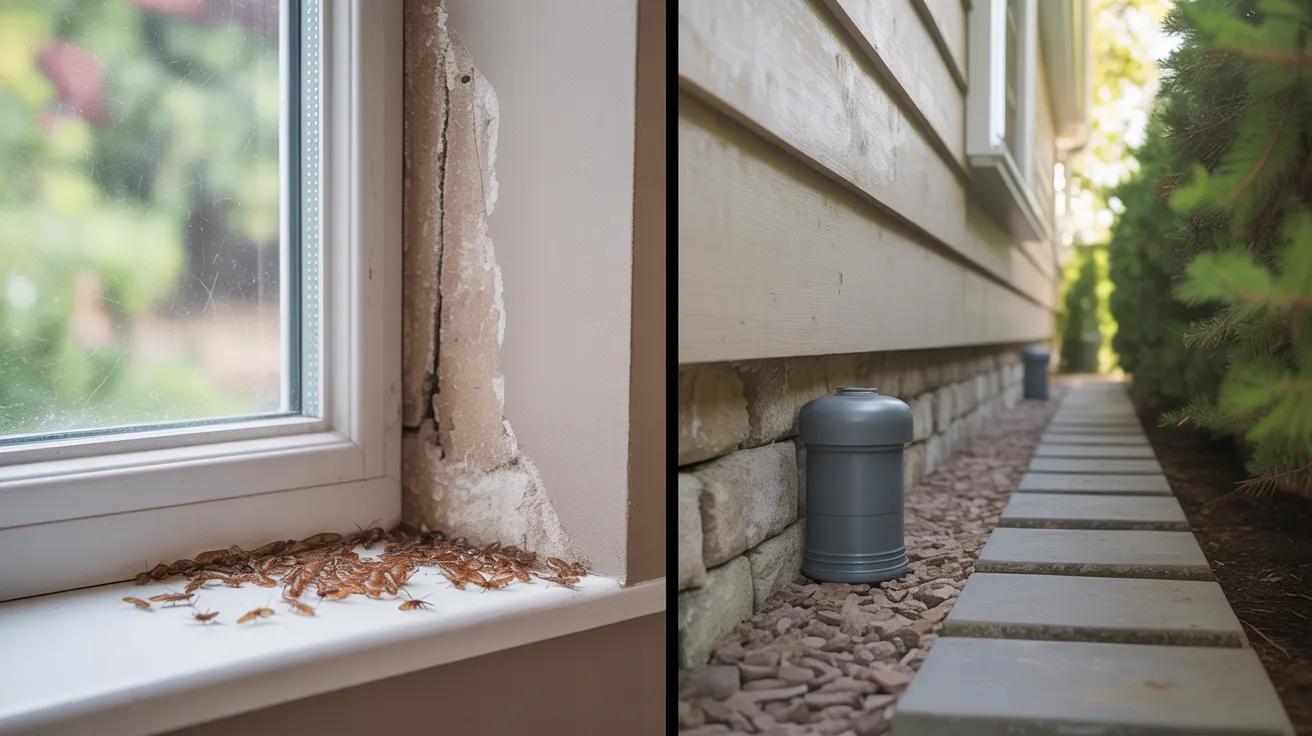
Although termites often stay hidden, you can identify early warning signs before major structural problems develop. Keep an eye out for pencil-thin mud tubes across foundations, joists, and sill plates. Probe questionable wood; it might sound empty or be easily penetrated. Spotting discarded, equal-sized wings around window sills or light fixtures signals a recent swarm. Look out for tiny frass holes or slight bubbling across drywall and floor surfaces.
Outside, look for dirt smears or ground residue near entry points, specifically where ground level meets exterior siding. Within basement and crawl space areas, verify ventilation and track relative humidity. If you've installed moisturemeters, record any readings above 20%, which can correlate with suitable environments and unseen passages.
For safety and security, do not disturb active areas. Photograph evidence, label locations, and contact a certified pest control specialist for an inspection in accordance with Ontario regulations.
Understanding How Local Conditions Affect Pest Problems
The freeze-thaw conditions in Toronto, combined with moisture-heavy ground, older buildings, and concentrated urban vegetation generate ideal conditions for insect pest challenges. Your property faces increased threats as recurring freeze-thaw patterns damage building foundations, creating underground access. Saturated clay soils sustain ground-level dampness that supports termite activity and hastens timber decomposition. Metropolitan warming effects elevate ground temperatures, extending insect activity windows and shortening overwintering periods.
Older structures and dated utilities provide channels through damaged baseboards, leaking pipes, and traditional stone foundations that form hidden areas where moisture meets organic materials. Dense mulch deposits near exterior surfaces maintain moisture at ground-level wood contacts. Heavy rains exceed drainage capacity, compelling pests to move toward buildings. To meet Ontario construction and health requirements, concentrate on moisture reduction, barrier integrity, and adequate plant clearance to address these site-specific challenges.
Our Complete Inspection and Treatment Methodology
Toronto's distinct circumstances call for an organized strategy, so our team implements an integrated inspection and treatment protocol that meets Ontario Building Code and public health standards. To begin, we perform a detailed evaluation of: foundation exterior, sill plates, service entry points, crawlspaces, and moisture-prone zones. We catalog wood damage, current pest presence, contributing factors, and access locations, before we transfer results to a location diagram.
We provide you with a risk-ranked action report with product labels and Safety Data Sheets. Where structure allows, we deploy targeted bait systems at regulated spacing, using tamper-resistant stations and surveillance units. For current pest activity, we apply targeted pest treatments to voids and soil contact points, adhering to label rates and setback requirements. We control ventilation, contain dust, and safeguard occupants, pets, and landscaping while preserving comprehensive records and visual documentation.
Prevention Plans and Year-Round Monitoring
As termite presence in Toronto varies with humidity levels and soil temperatures, you need a defense strategy that combines structural hardening with year-round inspection under Ontario and federal pesticide requirements. Initialize by sealing slab cracks, utility penetrations, and sill plates; preserve 6-8 inches of space between soil and wood. Pair these steps with moisture regulation: repair plumbing issues, direct downspouts 2-3 meters from the foundation, and hold crawlspace humidity under 60% with vapor barriers.
Arrange regular evaluations timed with seasonal changes throughout the year. Install soil monitoring units following spacing guidelines and log GPS coordinates for consistent data. Track activity thresholds, bait consumption, and contributing circumstances. Configure responses to IPM principles, focusing on minimal-risk approaches and thorough recordkeeping to satisfy Ontario PMRA and WHMIS requirements.
Safe and Discreet Solutions for Houses and Companies
Often, you require termite control that ensures the safety of individuals, animals, and business functions with minimal visibility. We design unobtrusive protocols that adhere to Ontario and federal pest control regulations, prioritize occupant safety, and ensure business continuity. We provide confidential inspections, confidential consultations, and scheduling during off-hours to reduce interference.
We utilize precise treatment protocols, HEPA-filtered drilling, and targeted wood treatments verified by product labels and Safety Data Sheets. Our child-friendly solutions and pet-conscious placement comply with re-entry intervals and ventilation requirements. Technicians use plain service vehicles and secure waste handling per municipal bylaws.
We thoroughly track each phase: site risk evaluation, product lot information, and containment procedures. You receive clear documentation, treatment deadlines, and preventative sealing guidelines-ensuring quiet, compliant, and effective termite elimination without publicizing the treatment.
FAQ
How Do Termite Treatments Affect Property Value and Disclosure Obligations?
Documenting termite treatments can protect property value, but prior infestations can influence property value and necessitate disclosure. Disclosure of existing damage, previous activity, and repairs is mandatory; purchasers commonly seek permits, treatment history, warranty details, and clearance verification. Always use licensed professionals, follow safety protocols, and maintain detailed records of treatments, dates, and ongoing monitoring. Pre-listing assessments and transferable warranty coverage can decrease uncertainty, satisfy lending conditions, and simplify appraisal processes and transactions.
Are Termite-Related Damages Included in Toronto's Standard Home Insurance?
Standard home insurance policies in Toronto typically don't cover termite damage. Insurers consider this a maintenance issue, typically excluded from basic coverage. Make sure to check your policy terms and conditions, as insurers rarely provide coverage for progressive damage from pests. Maintain inspection records and document all preventive measures to prove responsible homeownership. Though insurance may cover an infestation leads to sudden structural damage, such cases are uncommon. Contact your insurance broker and ensure compliance with Ontario's regulatory disclosure requirements.
What Required Certifications Should a Toronto Termite Inspector Possess?
A reputable Toronto termite company must maintain a valid Ontario pesticide operator licence and have certified applicators operating under IPM standards, and use licensed inspectors trained in the Structural Pest Management scope. Make sure to verify the provider's WSIB coverage, liability insurance, and WHMIS/GHS training. Verify that all technicians have up-to-date MOECP certifications and strictly follow label, drift, and notification protocols. Ask for written more info inspection reports, treatment records, and safety data sheets. Make sure they comply with municipal bylaws and waste-disposal guidelines.
Can You Coordinate With Property Management and Condo Boards?
Without a doubt, we coordinate with building management and condo boards with military precision. You'll receive streamlined Board Coordination, comprehensive scopes, and standardized communications. We take care of entry coordination, access credentials and tenant communications to meet bylaws and fire code requirements. We verify WSIB/COI, maintain IPM protocols, and handle safety signage. We provide service logs, Material Safety Data Sheets, and post-treatment reports to ensure compliance and safety for all parties.
What Financial Options Are Available for Large-Scale Termite Services?
Indeed. You can opt for payment arrangements for comprehensive termite work, subject to credit approval and contract conditions. We'll present staged payments matching inspection and treatment stages, with flexible pricing based on service extent and structure size. All costs are transparent, follow provincial consumer protection rules, and maintain strict safety standards. We'll provide detailed quotes, warranties, and MSDS/label documentation, and payment options include ACH, credit card, or certified draft.
Summary
You've noticed the clear signals-mud tracks like small roadways, wood that sounds hollow when tapped, frass scattered like pepper. Don't delay for the silent destroyers to compromise your valuable asset. With Toronto's fluctuating moisture levels and older structures, you require an integrated approach that evaluates, remedies, and oversees throughout the year. We adhere to label instructions, integrated pest management standards, and municipal guidelines to safeguard people, pets, and property. Choose discreet, scientifically-backed termite control that secures vulnerable areas and maintains vigilance like a sentinel at your building's foundation.